
You might also find this helpful:
Choosing a Neurodivergent Friendly Photographer in St. Louis: Red flags, Green Flags and The Right Questions
Why Traditional Family Photography Doesn’t Work for Every Family — And What Should Change
Keywords: inclusive family photography, autism affirming photography, neurodiversity affirming photographer
If you’ve ever left a family photo session feeling stressed, embarrassed, or defeated… you’re not alone.
For many families — especially those raising autistic, ADHD, sensory-sensitive, or neurodivergent children — traditional family photography simply doesn’t work.
And it’s not because your child is “difficult.”
It’s not because you didn’t prepare enough.
It’s not because you didn’t “try hard enough.”
It’s because the system wasn’t built for your family.
Let’s talk about why — and what needs to change.
The Traditional Photography Model
For decades, family photography has followed a very rigid formula:
- Smile at the camera
- Stand still
- Look here
- Hands down
- Don’t make that face
- Sit closer
- Stop moving
- Say cheese
The expectation? Compliance. Stillness. Eye contact. Performance.
That model may work for some families.
But it does not work for all families.
And when it doesn’t work, families are often left feeling like they failed — when in reality, the structure failed them.
When Traditional Sessions Become Harmful
For neurodivergent children, a high-pressure session can trigger:
- Sensory overload
- Anxiety
- Masking behaviors
- Shutdowns
- Meltdowns
- Emotional exhaustion
Bright light. New location. Unfamiliar adult. Pressure to smile. Repeated correction.
That’s a lot.
As a mother of a son on the spectrum, I understand how quickly a “simple photo session” can spiral into stress. And when that happens, it affects the whole family.
Photography should preserve memories — not create trauma around them.
What Inclusive Family Photography Should Look Like
Inclusive family photography isn’t about lowering expectations.
It’s about adjusting the environment instead of forcing the child to adjust themselves.
That means:
- Flexible posing
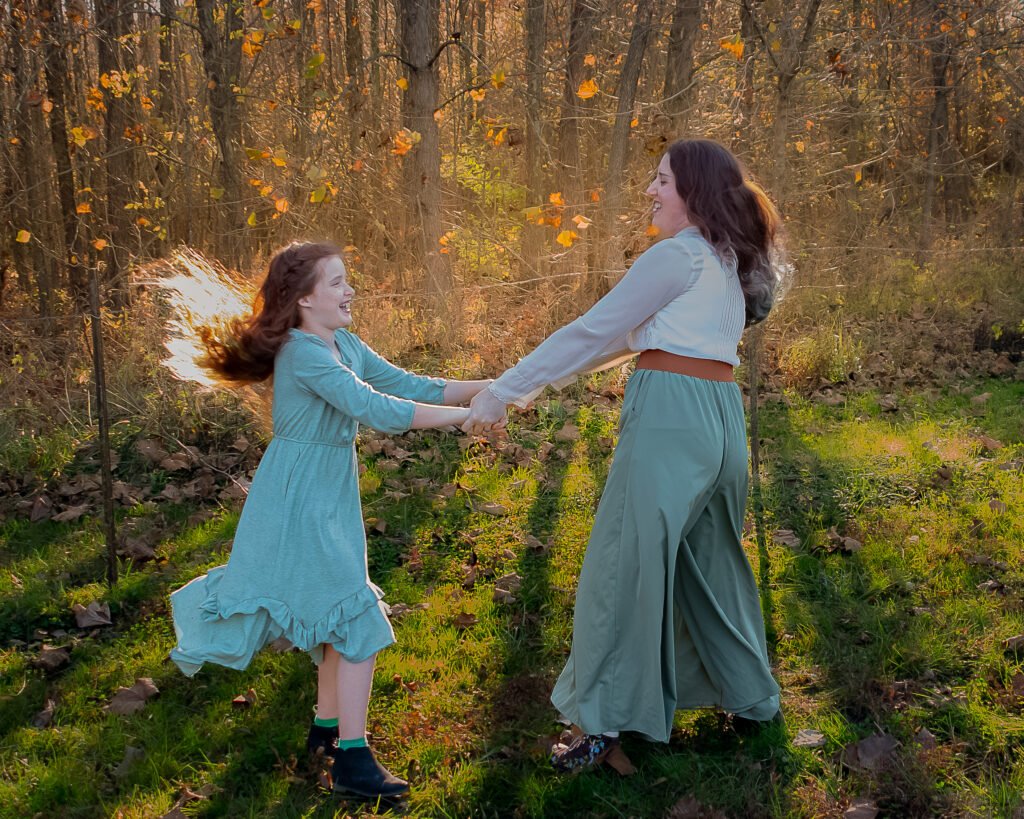
- Movement-friendly sessions
- Breaks without pressure
- Clear communication
- Predictable structure
- Sensory awareness
- No forced eye contact
- No forced smiles
An inclusive photographer understands that connection matters more than perfection.
Sometimes the best image is your child laughing mid-movement.
Sometimes it’s a quiet hand-hold.
Sometimes it’s simply them existing comfortably.
That’s enough.
Autism-Affirming Photography Means No Masking Required
Masking — when a neurodivergent child suppresses natural behaviors to meet social expectations — is exhausting.
Autism affirming photography does not require masking.
It doesn’t demand eye contact.
It doesn’t shame stimming.
It doesn’t push for “normal.”
It honors the child as they are.
When families search for autism affirming photography or a neurodiversity affirming photographer, what they’re really looking for is safety.
Safety to show up.
Safety to not perform.
Safety to be understood.
That changes everything.
What Should Change in the Industry
Here’s what needs to shift in traditional family photography:
1. Stop Prioritizing Posed Perfection
Connection over control. Always.
2. Stop Using Compliance as the Standard
Not every child will sit still. That’s okay.
3. Educate Photographers on Sensory Awareness
Being “patient” is not the same as being informed.
4. Normalize Flexible Session Structures
Shorter sessions. Movement breaks. Familiar locations.
5. Speak Directly to Neurodivergent Families
Representation matters. Language matters.
Families should not have to “hope” a photographer will be understanding. It should be clearly communicated.
For St. Louis Families Looking for Inclusive Photography
If you’re in St. Louis or the surrounding areas and you’ve felt like family photography just isn’t for you — I want you to know something:
It is.
You deserve photos that reflect your real family.
Not a version that had to perform for the camera.
You deserve a photographer who understands sensory differences.
Who builds in flexibility.
Who communicates clearly.
Who celebrates your child as they are.
If you’re not sure where to start, I walk through this step-by-step in my full guide here:
Neurodivergent-Friendly Photography in St. Louis: What Families Should Know
.
Because this isn’t about a niche market.
It’s about building a more inclusive standard.
Final Thoughts
Traditional photography works for some families.
But inclusive family photography makes space for all families.
And when we shift the standard — when we choose empathy over expectation — something beautiful happens:
Families relax.
Children feel safe.
Real connection shows up.
And that’s when the magic happens.
If you’re looking for a calmer, more supportive photo experience, you can
learn more here
or
reach out here.
Pingback: Choosing a Neurodivergent-Friendly Photographer in St. Louis: Red Flags, Green Flags, and the Right Questions – Unique Footprints Co LLC