
When Family Photos Don’t Go as Planned: A Realistic Guide for Neurodivergent Families in St. Louis
Family photos are meant to capture memories, connection, and the people you love most.
But if you are raising a neurodivergent child, the idea of scheduling a photo session can bring up a lot of questions and worries.
What if my child refuses to participate?
What if they have a meltdown?
What if the photographer gets frustrated?
What if the whole experience becomes overwhelming?
These are real concerns that many families across St. Louis, Affton, Webster Groves, Kirkwood, Fenton, and Arnold share when they reach out about family photos.
The truth is that traditional photography expectations do not always work for neurodivergent children. That is why more families are beginning to look specifically for photographers who understand how to create a supportive and flexible experience.
If you are new to the idea of inclusive photography, you may want to start with this guide:
Neurodivergent-Friendly Photography in St. Louis: What Families Should Know
Today, I want to talk about something even more important.
What happens when a photo session does not go exactly as planned.
Because honestly, that happens sometimes — and it does not mean the session failed.
Let’s Redefine What a “Successful” Photo Session Looks Like
In traditional photography, success is often defined by cooperation.
- Everyone smiling
- Everyone sitting still
- Everyone looking at the camera
But children who are autistic, ADHD, or otherwise neurodivergent often experience the world differently. Sensory input, communication styles, and emotional regulation all play a role in how they participate.
A successful session might look like:
- Your child exploring the location
- Sitting next to you instead of posing
- Laughing while running around
- Holding your hand instead of smiling at the camera
These moments still tell your family’s story.
If you want to better understand what these sessions actually look like in practice, this article goes deeper into the experience:
What “Sensory-Friendly” Photo Sessions Really Look Like (And What to Ask Your Photographer)
Meltdowns Do Not Mean the Session Failed
One of the biggest fears parents share is the possibility of a meltdown during photos.
Meltdowns can happen when a child becomes overwhelmed, tired, overstimulated, or simply needs space. It is a form of communication, not bad behavior.
In a neurodivergent-friendly photography session, the approach is different.
- We pause
- We slow down
- We remove the pressure
Sometimes children simply need time to regulate before continuing. Other times, the best moments happen once the expectations are lowered and the environment feels safe again.
If you are preparing for a session and want helpful tips to support your child ahead of time, this guide walks through several helpful strategies:
How to Prepare a Neurodivergent Child for Family Photos (Without Pressure or Masking)
Movement Is Welcome
Many children simply do not enjoy sitting still for long periods of time.
And that is completely okay.
Some of the best images happen when children are moving naturally — walking through a park, spinning in circles, climbing on rocks, or laughing with their parents.
These are the moments that truly reflect who your child is.
Traditional photography often tries to control these moments, but inclusive photography embraces them.
If you have ever felt that traditional family photos did not work well for your child, this article explains why that happens and what should change:
Why Traditional Family Photography Doesn’t Work for Every Family — And What Should Change
Some Children Need Time to Warm Up
Many neurodivergent children need time to build trust with new people and environments.
During sessions, I often allow children to explore the location first. Sometimes we talk, sometimes we walk around, and sometimes we simply sit quietly together before beginning.
This time helps reduce anxiety and allows children to feel safe.
And when children feel safe, authentic moments begin to happen naturally.
Choosing the Right Photographer Makes a Difference
Not every photographer has experience working with neurodivergent children, and that experience matters more than many families realize.
A photographer who understands sensory needs, communication differences, and flexible pacing can make a huge difference in how comfortable a session feels.
If you are researching photographers in the St. Louis area, this guide explains what to look for and the right questions to ask before booking:
The Moments That Matter Most Are Often the Unexpected Ones
Some of the most meaningful images from sessions are the ones that were never planned.
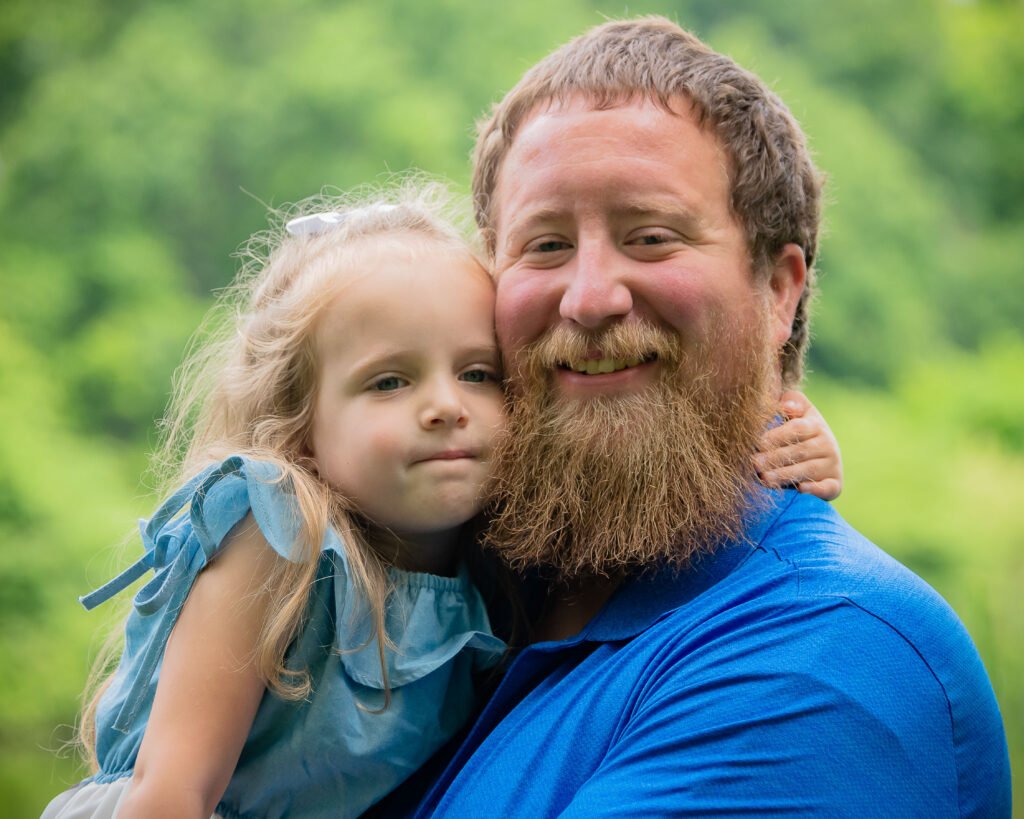
- A quiet hug between parent and child
- A sibling offering comfort
- A burst of laughter while running through the park
These moments are real.
And those real moments are what families treasure most years later.
St. Louis Families Deserve Photography Experiences That Feel Safe
Families across South St. Louis County, Affton, Mehlville, Webster Groves, and surrounding communities often tell me they avoided family photos for years because they worried the experience would be stressful.
That is exactly why I built Unique Footprints Co.
As both a photographer and a parent of a child on the spectrum, I understand how overwhelming traditional photography sessions can feel.
My goal is to create an experience where families feel supported, understood, and never judged.
Because every family deserves photographs that reflect their story.
Final Thoughts
Family photos do not need to be perfect to be meaningful.
They simply need to capture connection, love, and the unique personality of your family.
For neurodivergent families, that story may look different than traditional sessions.
But different stories are often the most beautiful ones to tell.
Continue Reading in the Neurodivergent Photography Series
-
Neurodivergent-Friendly Photography in St. Louis: What Families Should Know
-
What “Sensory-Friendly” Photo Sessions Really Look Like (And What to Ask Your Photographer)
-
How to Prepare a Neurodivergent Child for Family Photos (Without Pressure or Masking)
-
Why Traditional Family Photography Doesn’t Work for Every Family — And What Should Change
-
Choosing a Neurodivergent-Friendly Photographer in St. Louis: Red Flags, Green Flags, and the Right Questions